Featured
Table of Contents
Search engines are being changed by conversational AI user interfaces, with tools like ChatGPT, Claude, Gemini, and Perplexity ending up being go-to resources for details, requiring a shift towards Answer Engine Optimization (AEO) and SEO for Big Language Models. Online marketers need to diversify distribution throughout multiple digital environments and optimize specifically for AI-powered search experiences, not simply Google or single-channel SEO.
These resources prepare for user questions and offer authoritative responses that AI systems can with confidence reference and mention. Structured FAQ Advancement: Long-tail, conversational keywords are more vital than ever, with visibility depending upon format and context, including enhancing for AI-ready Q&A. Organizations establish substantial FAQ databases that deal with client questions in natural language, optimized for voice search and AI assistant inquiries.
Brands buy believed management material, initial research, and professional bylined articles that establish their authority in specific domains. Response Engine Optimization needs significant technical modifications to content architecture. Successful implementations consist of schema markup that helps AI systems understand content context, structure information that allows rich snippets and featured outcomes, and material format optimized for voice search queries.
Top PR Trends to Watch in 2026
In 2026, marketing measurement progresses from reporting activity to showing clear service effect. Board-level executives require analytics that link every marketing dollar to quantifiable business results, consisting of customer acquisition, retention rates, and progression of consumer lifetime value. Privacy-Safe Measurement Facilities: Leading companies carry out measurement systems that supply accurate attribution without jeopardizing consumer personal privacy.
End-to-End Analytics Integration: Advanced measurement platforms connect marketing activities to sales results, client service interactions, and long-term retention patterns. This extensive view allows precise ROI computation and tactical decision-making based on complete client lifecycle information. Visual CX Dashboards: The most reliable companies produce executive control panels that align marketing, sales, item, and consumer success teams around shared metrics.
Modern attribution systems move beyond basic last-click models to sophisticated multi-touch approaches that represent complicated client journeys. These systems use device finding out to weigh the impact of touchpoints based on timing, sequence, and private client qualities. The most innovative applications include offline attribution that links digital marketing activities to in-store purchases, phone inquiries, and other offline conversion events.
As marketing automation capabilities expand, regulative analysis and consumer awareness intensify at the same time. Leading brands in 2026 separate themselves not just through what they achieve but also through how they operate ethically and transparently. Algorithmic Accountability: Organizations implement clear governance frameworks for AI-powered marketing systems, guaranteeing algorithmic choices can be discussed and examined.
How Modern PR Is Changing for Success
Information Use Openness: The most trusted brands offer clear, accessible descriptions of data collection and use practices. They carry out granular content management systems that offer clients meaningful control over their information while demonstrating the value exchange included. Genuine Purpose Integration: Successful brand names connect their specified function to quantifiable, real-world actions.
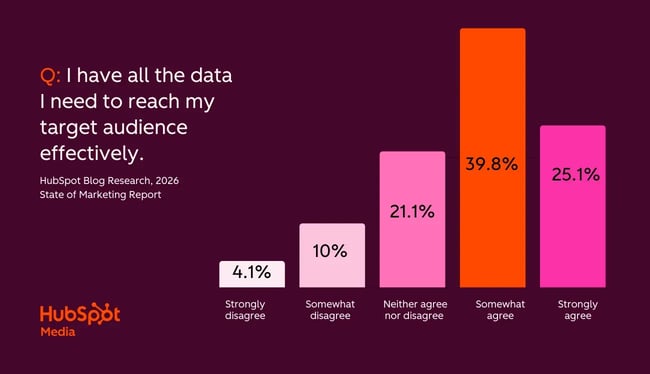
Ethical marketing practices use measurable company benefits that extend beyond regulatory compliance. Transparent brands take pleasure in greater customer trust scores, longer consumer relationships, and more powerful word-of-mouth advocacy. They attract leading talent who desire to work for organizations with clear worths and social effect. Most significantly, ethical marketing practices develop sustainable competitive benefits that can not be quickly duplicated by rivals focused solely on short-term outcomes.
Customer Lifetime Value Development: Year-over-year improvement in customer life time worth, segmented by acquisition channel and client qualities. Brand Name Trust Metrics: Customer trust scores, Net Promoter Score patterns, and brand name sentiment analysis across digital channels.
At Breathe Function Media, we acknowledge that browsing 2026's digital marketing change requires more than trend awareness it demands strategic partnership with specialists who comprehend how to operationalize emerging chances into measurable service outcomes. Our thorough approach combines advanced SEO strategies optimized for Response Engine Optimization, AI-powered content production systems, combined analytics platforms, and vibrant leadership models that scale with your development ambitions.
The Role of Reputation Management in Digital Growth
Our customers do not just execute new marketing technologies they establish organizational proficiencies that make it possible for continuous adaptation as markets evolve. Set up a tactical consultation with our expert team to discover how Breathe Purpose Media's incorporated approach to digital marketing, public relations, and content strategy can transform emerging trends into measurable growth for your company.
With unrivaled competence in SEO and omnichannel growth strategies, we convert intricate market characteristics into quantifiable competitive advantages for our clients. From tactical positioning and digital dominance to social media that transforms and PR that moves markets we partner with organizations that demand quality and leave lasting traditions.
As we approach 2026, online marketers deal with a landscape defined not simply by innovation, however by how human beings respond to it. Emerging tools like AI and immersive media are improving what's possible, however the brands that flourish will be those that balance data-driven accuracy with emotional intelligence and authenticity. Synthetic intelligence has actually moved beyond buzzword status into daily marketing infrastructure.
AI-driven personalization isn't just "nice to have." It will be a key differentiator in driving engagement, conversions, and commitment. A chart showing the development of tailored marketing investments vs generic projects in time. Bottom line: AI personalisation allows brands to reach clients with the ideal message at the correct time, elevating relevance and lifetime value.
Business Reasoning of Premium Creative ServicesThe Future of Brand Strategy for 2026
Audiences in 2026 expect brand names to get involved in real conversation, not broadcast at them. Table comparing brand name engagement metrics (e.g., retention, belief) for community-driven vs conventional broadcast techniques.
Key point: Openness in information collection strengthens brand name trustworthiness and creates higher-quality customization. Increased Truth (AR), virtual try-ons, and interactive material are ending up being mainstream ways to link audiences with items and brand name stories.
Influencer marketing progresses in 2026 from sponsorship to co-creation. Brands are teaming up with creators as tactical partners by welcoming them into item development, project planning, and storytelling.
Business Reasoning of Premium Creative Services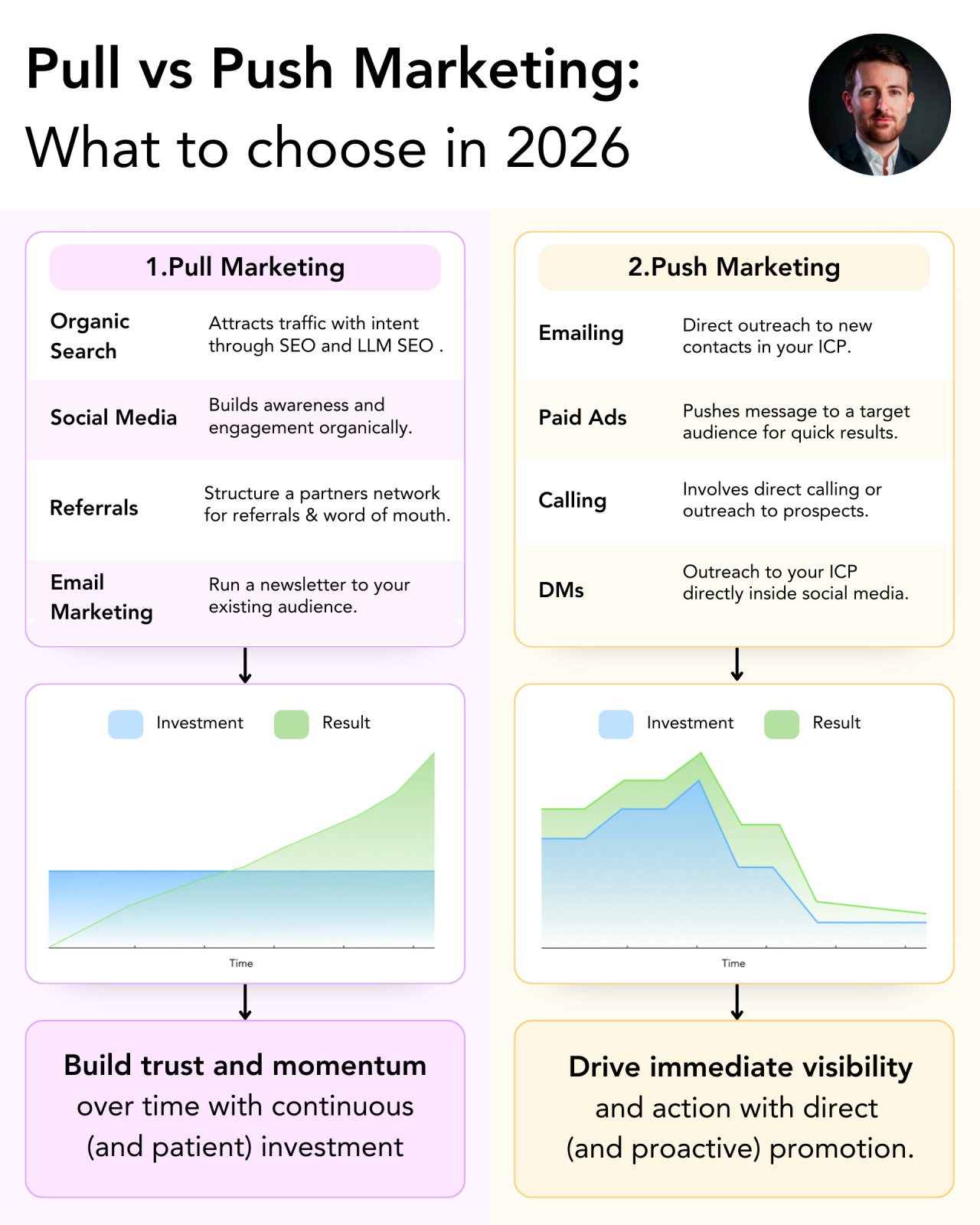
The underlying strategic shift is toward human connection. Brands that utilize innovation to boost instead of change authentic interaction will be the ones that thrive. If there's one strong theme for marketers in 2026, it's this: Innovation scales your reach; humankind sustains your relevance.
This website uses cookies to improve your experience. We'll assume you're ok with this, but you can opt-out if you wish.Accept Personal Privacy & Cookies Policy.

Latest Posts
Practical Tips for Improved Media Coverage
Emerging PR Trends Every Firm Must Follow
Improving Digital Reputation in a AI Landscape